Urban water systems are under increasing pressure from rapid urbanisation, climate change, ageing infrastructure, and emerging contaminants. Stormwater runoff, wastewater overflows, diffuse pollution, and persistent pollutants are degrading rivers, lakes, groundwater and costal environments. The challenge is no longer simply to drain cities efficiently, but to design them as water-smart, liveable systems, where water quality, ecosystem health, climate resilience, and human wellbeing are addressed together.
By coupling intelligent sensing with data-driven models and nature inspired infrastructure, we aim to enable the next generation of water-smart, climate-resilient, and liveable cities.
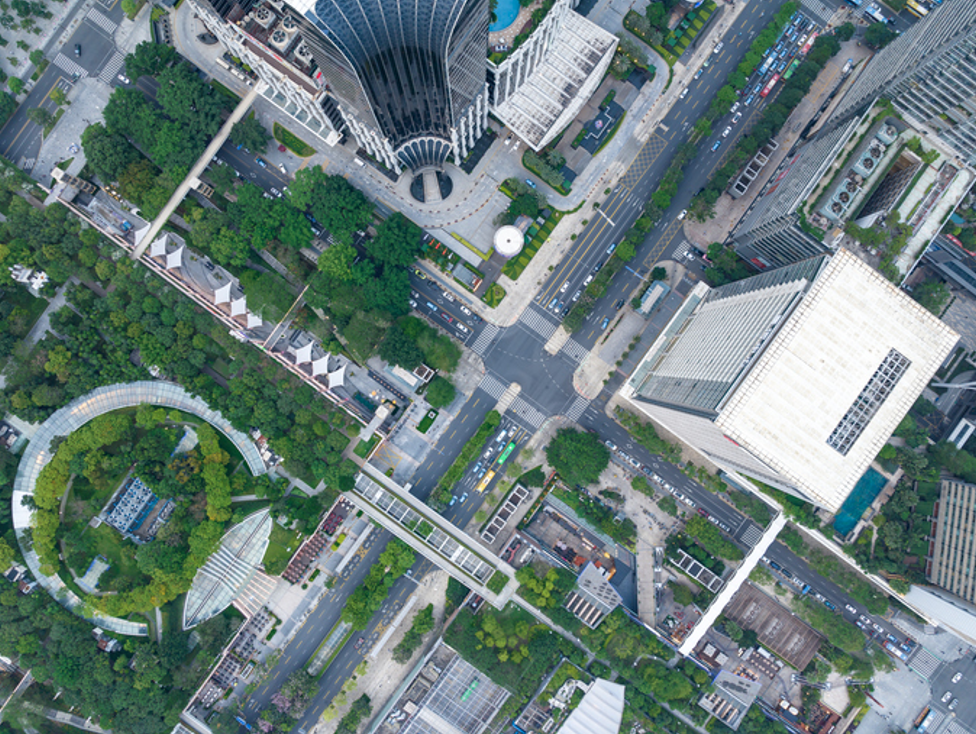
We develop next-generation water quality monitoring tools, including drone-based multispectral and hyperspectral imaging and AI-powered pollutant detectors. Our goal is to move beyond reliance on physical sampling and enable non-contact real-time detection and quantification of pollutants across urban landscapes.Non-contact remote monitoring
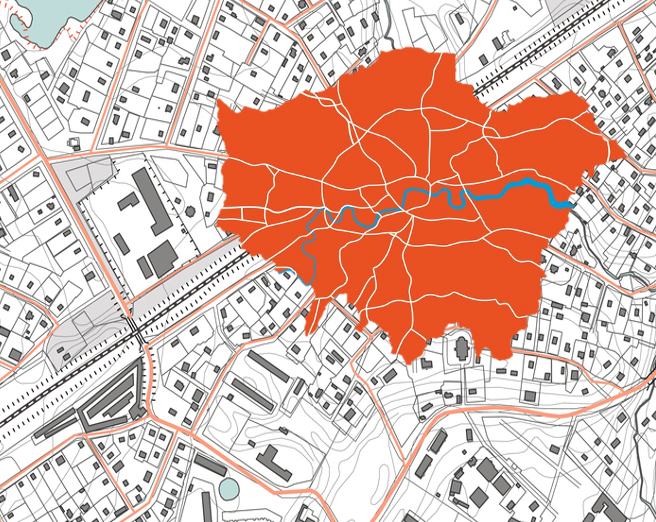
We build data-driven models to understand pollutant transport and transformation across stormwater, surface water, and groundwater systems. By integrating field data, remote sensing, and machine learning, we create decision-support tools that help cities anticipate risks, optimise infrastructure, and design resilient water systems under uncertainty.Data-driven modelling
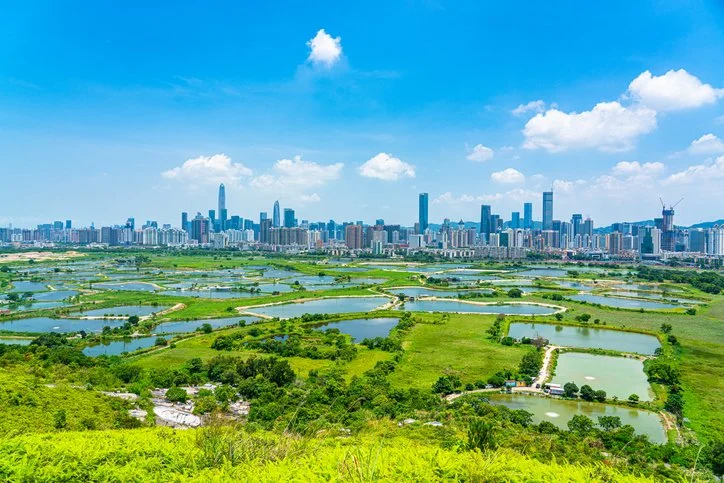
We design and evaluate nature inspired water treatment systems including biofilters and wetlands that transform urban runoff and wastewater into fit-for-purpose resources. Our work bridges laboratory research, field trials, and full-scale implementation to accelerate the deployment of scalable, cost-effective, and ecologically restorative treatment solutions.Nature-based treatment
Our Collaborators